

Services
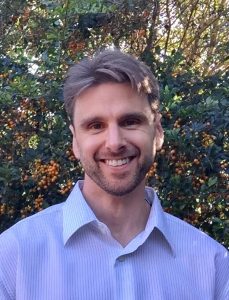
Hello, I’m Carl (he/him), a Clinical Psychologist in private practice.
Below I describe my Clients, Support areas, Approaches, and Ethos.
Clients
I enjoy supporting highly empathic and professional adults, including:
-
- Highly empathic adults:
-
- High sensitivity (highly sensitive person, HSP).
- High masking or internalising Autistic and ADHD adults.
- Professionals & corporate leaders:
-
- Engineers, software developers, & IT professionals.
- Lawyers & accountants.
- Human Resource practitioners.
- Current & future executives & managers.
- Medical & health professionals.
-
- Doctors & medical students.
- Allied health professionals.
- Business owners & community leaders.
- Academics & university students.
- Sports people & performing artists.
Rather than working with young people (children and teenagers), I focus on supporting adults. My practice is often a better fit for people who are in their mid-20s and above.
Support Areas
My current interests include the following overlapping support areas.
-
- Vocation and Interests support.
- Growth and Wellbeing support.
- Mental Health support.
Vocation and Interests support
-
- Executive coaching, leadership coaching, and coaching psychology.
- Engagement and performance in career, university, sport, & performing arts.
- Psychologist peer consultation.
- Corporate consulting and training.
Growth and Wellbeing support
-
- Stress and burnout.
- Emotion regulation.
- Life transitions.
- Self-esteem and identity.
- Mindfulness and self-compassion.
- Fulfilment and self-actualisation.
Mental Health support
-
- Adjustment disorder.
- Health anxiety, social anxiety, performance anxiety, general anxiety, & phobias.
- Insomnia.
- Loss, prolonged grief, and bereavement disorder.
- Depression.
Areas I do not work with
It is important to find a service that is a good enough fit for your needs.
My practice is likely not a good fit for people who experience the following prominently.
-
- Complex trauma (childhood & relational trauma), eating disorders (particularly restrictive eating disorders), psychosis, schizophrenia, bipolar affective disorder, personality disorders, drug and alcohol use disorders, family domestic violence, intellectual disability, suicidal or self-harming behaviours, or requiring crisis support.
- If you have any current or possible legal, compensation, or insurance claims or cases, then please note the following.
-
- I suggest you consider consulting a psychologist with training and experience in these areas, as they will be a better fit for your needs.
- I do not provide assessment or report writing services for court, compensation cases, insurance cases, or other legal matters.
If any of the above conditions or circumstances apply, see the resources tab of this website for ways to find other services that are a good fit for your needs, which includes discussing with your GP.
I am here if you have any queries.
Approaches
Therapeutic approaches I use include:
-
- Neurodiversity affirming therapy.
- Cognitive behaviour therapy (CBT).
- EMDR therapy.
- Schema therapy.
- Mindfulness-based therapies.
- Compassion-focused therapies.
- Dialectical behaviour therapy (DBT) informed therapy.
- Positive psychology.
- Interpersonal process.
- Feedback informed treatment.
My accreditations include:
-
- LOAPAC Foundational Member.
- EMDR Association of Australia Full Member.
- ANZEAD Credentialed Eating Disorder Clinician (CEDC).
- AHPRA Board-approved supervisor.
Perspectives I am informed by include:
-
- The neuro diversity affirming paradigm.
- Interpersonal neurobiology.
- Psychoneuroimmunology.
- Attachment theory and attachment-based therapies.
- Trauma theory and trauma-informed therapies.
- Evidence-based practice: integrating research evidence, clinical expertise, practice context, and client preferences (including their values, culture, and circumstances).
- Practice-based evidence: collaborative reflection, discussion, and refinement with each client.
Ethos
With a warm, empathic approach, I facilitate a safe space for people to explore their interests, passions, values, traits, neurotype, identity, relationships, and goals.
I enjoy supporting people to connect with what matters most to them in life (e.g., meaning, purpose, and enjoyment) as they move through their day.
I have an integrative evidence-based approach. I resonate with approaches that are:
-
- person centred,
- collaborative,
- values guided,
- strengths based,
- neuro affirming,
- LGBTIQA+ inclusive,
- intersectional,
- trauma informed,
- attachment based, and
- holistic (considering body, mind, spirit, relationships, culture, organisations, and environment).
I appreciate neuroaffirming care as a way that:
-
- understands humanity flourishes because of our natural diversity – we are all neurodiverse,
- supports each person to understand their own brain style (neurotype) and strengths, and
- recognises that neurodivergent people experience social disability due to the difference between their neurology and the demands of neurotypical conforming culture.
Further information
Enquiries